How To Choose the Right Used Car for Your Budget
Table of Contents
- How To Choose the Right Used Car for Your Budget
- Start With a Used Car Budget Based on Take-Home Pay
- Calculate the Full Cost of Used Car Ownership in Las Vegas, NV
- Match the Used Car Type to How You Drive in Las Vegas
- Check the Buyers Guide, Out-The-Door Price, and Dealer Add-Ons
- Use a Vehicle History Report and an Independent Mechanic Inspection
- Screen for Safety Recalls Before You Buy
- Compare Three Used Cars Instead of Falling for One
How To Choose the Right Used Car for Your Budget
Buying a used car in Las Vegas can feel manageable when the budget comes first and the vehicle comes second.
That order matters. A lower sticker price does not always mean a lower cost to own, and a more expensive car is not always the better value.
The strongest choice is the one that fits your take-home pay, your driving needs, and the real costs that continue long after the sale.
Start With a Used Car Budget Based on Take-Home Pay
A smart budget begins with a monthly limit, not with a search filter on a shopping site. Edmunds recommends keeping a used car payment at about 10% of monthly take-home pay, with fuel, insurance, and maintenance adding roughly another 7%. That puts total car costs under about 20% of take-home pay for many buyers. It is a practical rule because it protects the rest of your financial life.
If you are paying cash, the same logic still applies. You may avoid a loan payment, but you still need room for insurance, registration, gas, maintenance, repair, and tires. The goal is not just to buy a car. The goal is to keep it comfortably without overspending.
Before you shop, write down a simple monthly cap that includes all ownership costs, not just financing:
- Monthly payment target
- Insurance estimate
- Fuel estimate
- Maintenance reserve
- Registration and fees
- Emergency repair cushion
That last item often decides whether a used car feels affordable six months later.
Calculate the Full Cost of Used Car Ownership in Las Vegas, NV
The Federal Trade Commission advises buyers to think beyond the advertised price. Registration, insurance, gas, maintenance, and dealer add-ons all count.
In Las Vegas, that broader view is especially useful because driving patterns vary widely. One buyer may need a commuter car for daily freeway miles, while another may want a second vehicle for short city trips and weekend use.
Insurance can also be a bigger line item than many people expect. AAA’s 2025 driving-cost data puts annual insurance for its benchmark vehicle at $1,694, while maintenance, repair, and tires came to 11.04 cents per mile. Those are broad benchmarks, not a quote for your situation, though they show why a cheap vehicle with poor fuel economy or heavy repair needs can strain a budget fast.
- Here is a simple way to frame the real cost of ownership before you compare vehicles:
| Cost Category | What To Estimate Before Buying | Why It Matters |
|---|---|---|
| Purchase price | Negotiated sale price | Sets the base for taxes and financing |
| Out-the-door price | Taxes, title, registration, and dealer fees | Shows the real amount due |
| Insurance | Monthly premium quote | Can vary sharply by model and driver profile |
| Fuel | Miles driven per month and MPG | Bigger vehicles can raise the monthly total |
| Maintenance | Oil, brakes, tires, and fluids | Older cars usually need more attention |
| Repairs | Emergency reserve or warranty plan | Protects your cash flow |
| Add-ons | Service plans, accessories, and protection products | Can inflate the deal quickly |
A good budget is calm, clear, and honest. If the numbers feel tight on paper, they usually feel worse in real life.
Match the Used Car Type to How You Drive in Las Vegas
The FTC advises buyers to think first about the kind of car they need and how they will use it. That may sound basic, yet this step saves real money. When the vehicle matches daily life, it is easier to avoid overbuying.
A compact sedan may do everything a household needs. A small SUV may be the better fit if cargo space, higher seating, or family use matters more. A truck might look appealing, though it often brings higher fuel and tire costs. The right answer depends on mileage, passengers, parking, cargo, and road habits.
This quick comparison can help narrow the field:
| Vehicle Type | Budget Upside | Budget Trade-Off | Best Fit |
|---|---|---|---|
| Compact sedan | Lower fuel and tire costs | Less cargo space | Daily commuting, solo or couple driving |
| Midsize sedan | Comfortable ride, often good value used | Slightly higher ownership costs | Commuters who want more room |
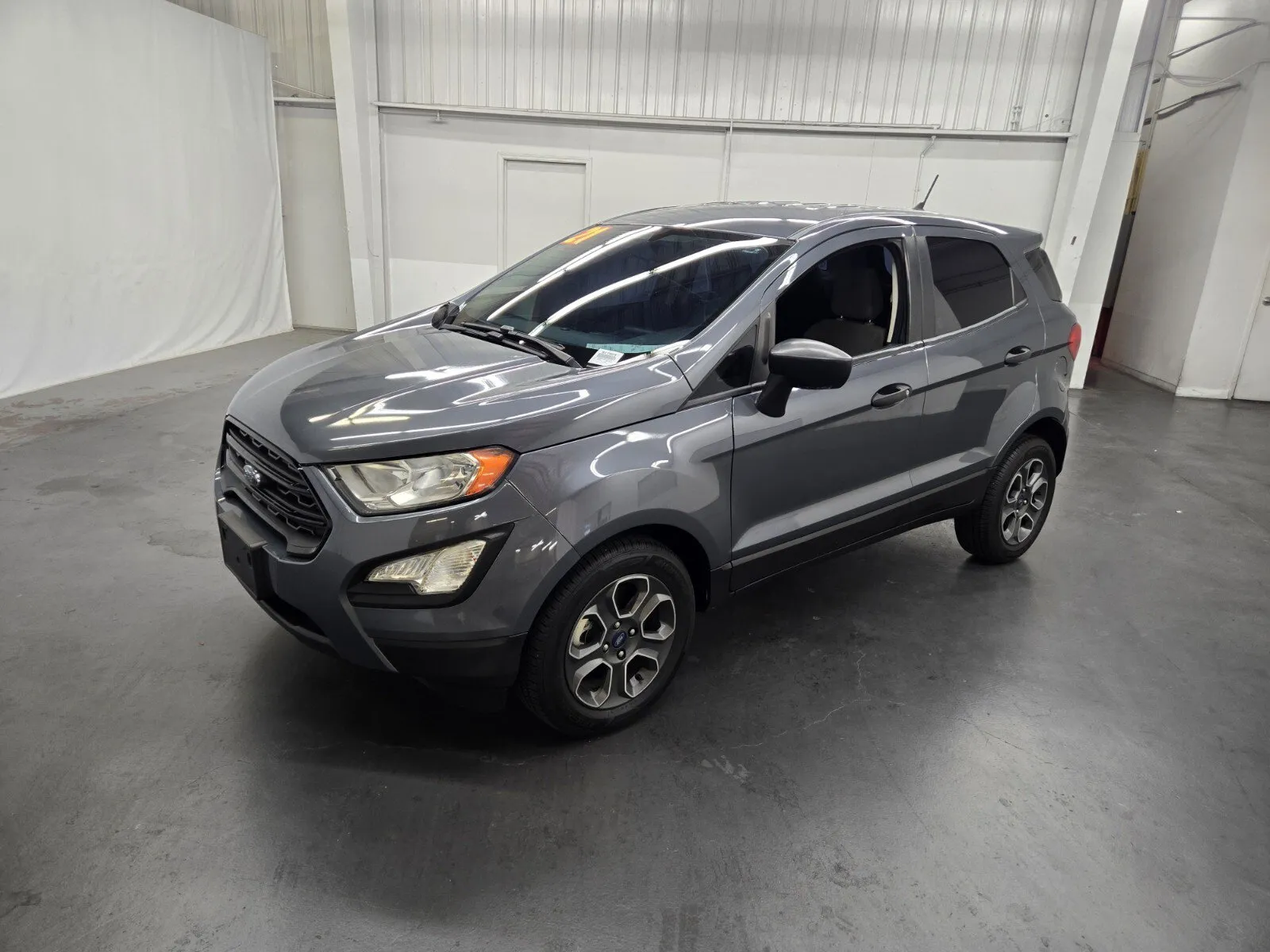
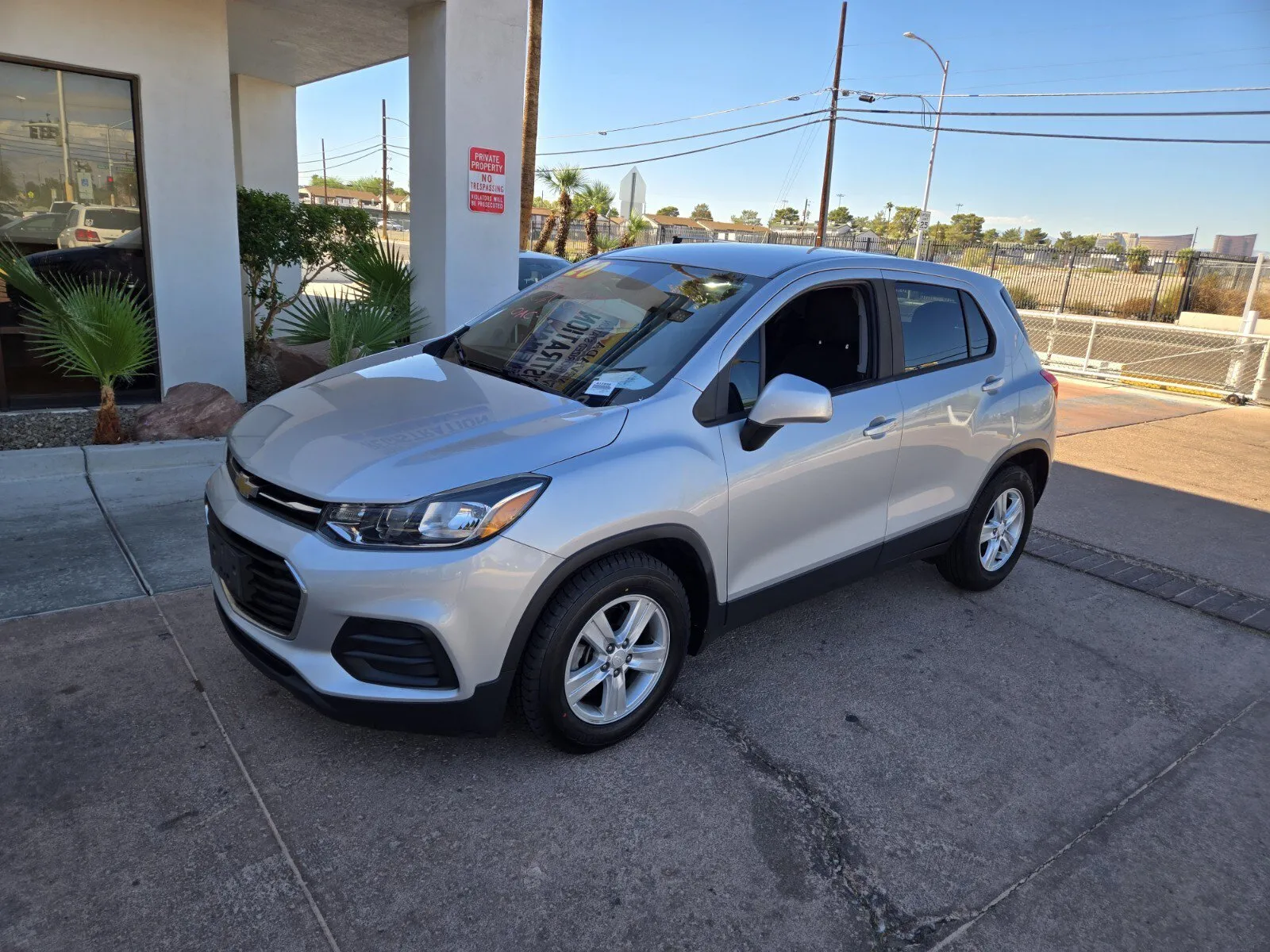
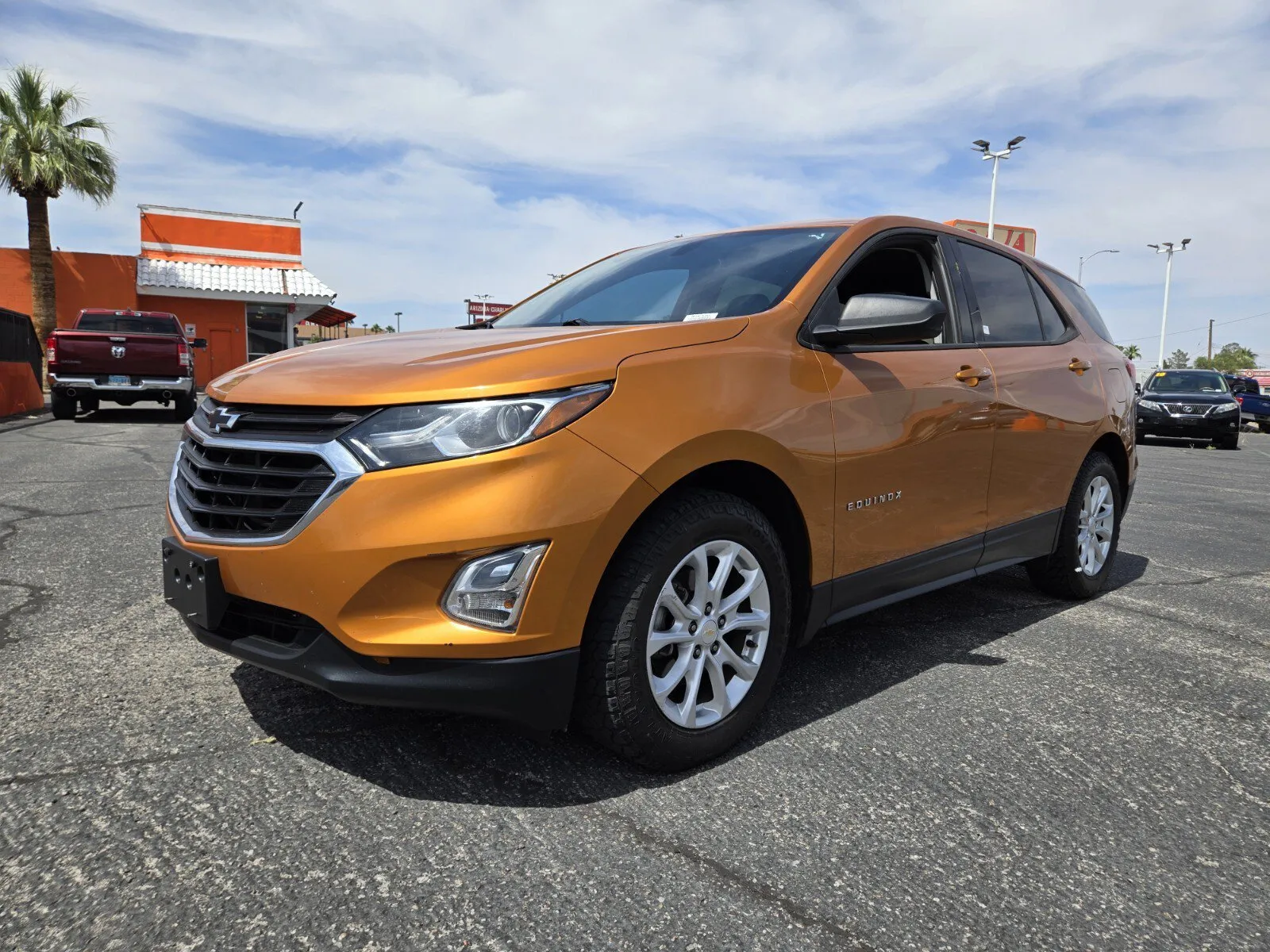
| Small SUV | Useful cargo space, versatile | Insurance and fuel may be higher | Families, mixed city and highway use |
| Midsize SUV | More passenger space | Higher fuel and maintenance costs | Larger households, frequent travel |
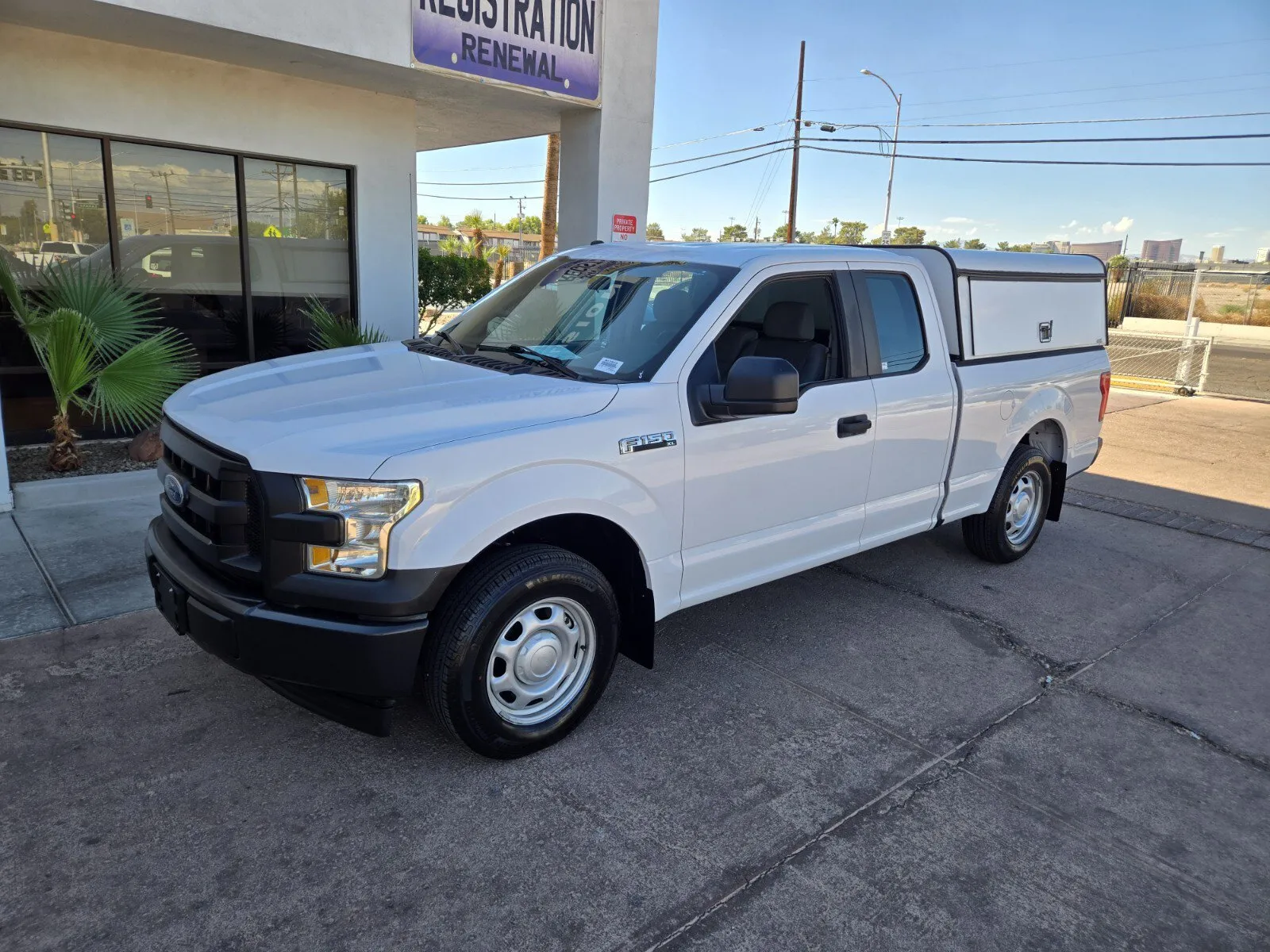
| Pickup truck | Strong utility | Often the most expensive to fuel and maintain | Work use, towing, equipment hauling |
A car that fits your life well can save more than a bargain price ever will.
Check the Buyers Guide, Out-The-Door Price, and Dealer Add-Ons
Every used car offered for sale by a dealer must display a Buyers Guide, according to the FTC. That document matters because it tells you whether the vehicle is being sold as-is or with a warranty. It can also show what systems are covered, what percentage of repair costs the dealer will pay under a warranty, and advice to get promises in writing.
This is also where many buyers regain control of the deal. Ask for the out-the-door price, not just the selling price. The out-the-door number includes taxes, title, registration, and dealer fees. If add-ons appear late in the process, the monthly payment can stay the same, while the total cost climbs.
Use the paperwork to slow the process down and ask cleaner questions.
- Buyers Guide: Check whether the car is sold as-is or with a warranty.
- Out-the-door price: Ask for the full amount, including taxes, title, registration, and fees.
- Add-ons: Ask which products are optional and what each one costs.
- Promises in writing: Do not rely on verbal statements about repairs or coverage.
- Maintenance records: Helpful when available, though they do not replace an inspection.
That short review can keep a budget deal from turning into an expensive commitment.
Use a Vehicle History Report and an Independent Mechanic Inspection
The FTC recommends getting a vehicle history report before buying a used car. A history report may include prior ownership, accident history, repair records, title issues, and salvage status. The FTC also points buyers to NMVTIS-approved providers for title, insurance loss, and salvage information, which can be useful when you want a stronger check on the vehicle’s past.
Still, a history report is not a mechanical exam. Consumer Reports notes that an independent mechanic inspection can cost about $135 to $200, and that cost is often money well spent. It may reveal problems a history report cannot show, including leaks, worn suspension parts, brake wear, electrical issues, or signs of poor repairs.
If a seller resists an independent inspection, that is a signal worth taking seriously.
Watch closely for a few common warning signs during your review and test drive:
- Salvage or rebuilt title
- Open warning lights
- Uneven tire wear
- Smoke at startup
- Fluid leaks
- Rough shifting
- Overheated air conditioning
- Missing service history
- A clean report and a strong inspection do not guarantee perfection, but they do give you a much better chance of buying a car that fits your budget for more than a moment.
Screen for Safety Recalls Before You Buy
Before money changes hands, check for open recalls. NHTSA explains that a recall is issued when a vehicle or equipment creates an unreasonable safety risk or fails to meet minimum safety standards.
Its lookup tools can return recall information and related manufacturer communications when you search by VIN or by year, make, and model.
- This step is quick, free, and easy to overlook. If a recall is open, ask whether the repair has already been completed. If not, ask how it will be handled before delivery. Safety is part of affordability because a car that needs urgent recall work is not ready for your life.
Compare Three Used Cars Instead of Falling for One
A disciplined buyer usually makes better decisions than an excited one.
Choose three realistic options, then compare them side by side. Keep the list short enough to stay focused and broad enough to avoid rushing into a car that only looks good because it is the first one you saw.
When you compare age, mileage, condition, ownership cost, and inspection results together, the strongest value tends to become obvious.
Use a final pass like this before saying yes:
- Confirm the full out-the-door price.
- Review the Buyer's Guide and warranty terms.
- Check out the vehicle history report.
- Get the independent mechanic inspection.
- Verify recalls through NHTSA.
- Compare the monthly total against your take-home pay.
That process may feel slower than buying on instinct. It is also the reason many buyers end up with a used car they can enjoy, maintain, and keep without stretching every dollar.
In Las Vegas, the right used car for your budget is rarely the flashiest option on the lot. It’s the one that starts every morning, keeps ownership costs reasonable, handles your real driving needs, and leaves enough room in your budget for everything else that matters.
If you’re ready to find a used car that truly fits your budget and lifestyle, visit Baja Auto Sales. Our team is committed to helping you make a confident, informed choice, without pressure or surprises.
Explore our wide selection of quality used vehicles, get transparent pricing, and let us help you drive home in a car that’s right for you. Start your search today and experience why so many Las Vegas drivers trust Baja Auto Sales for value, service, and peace of mind.