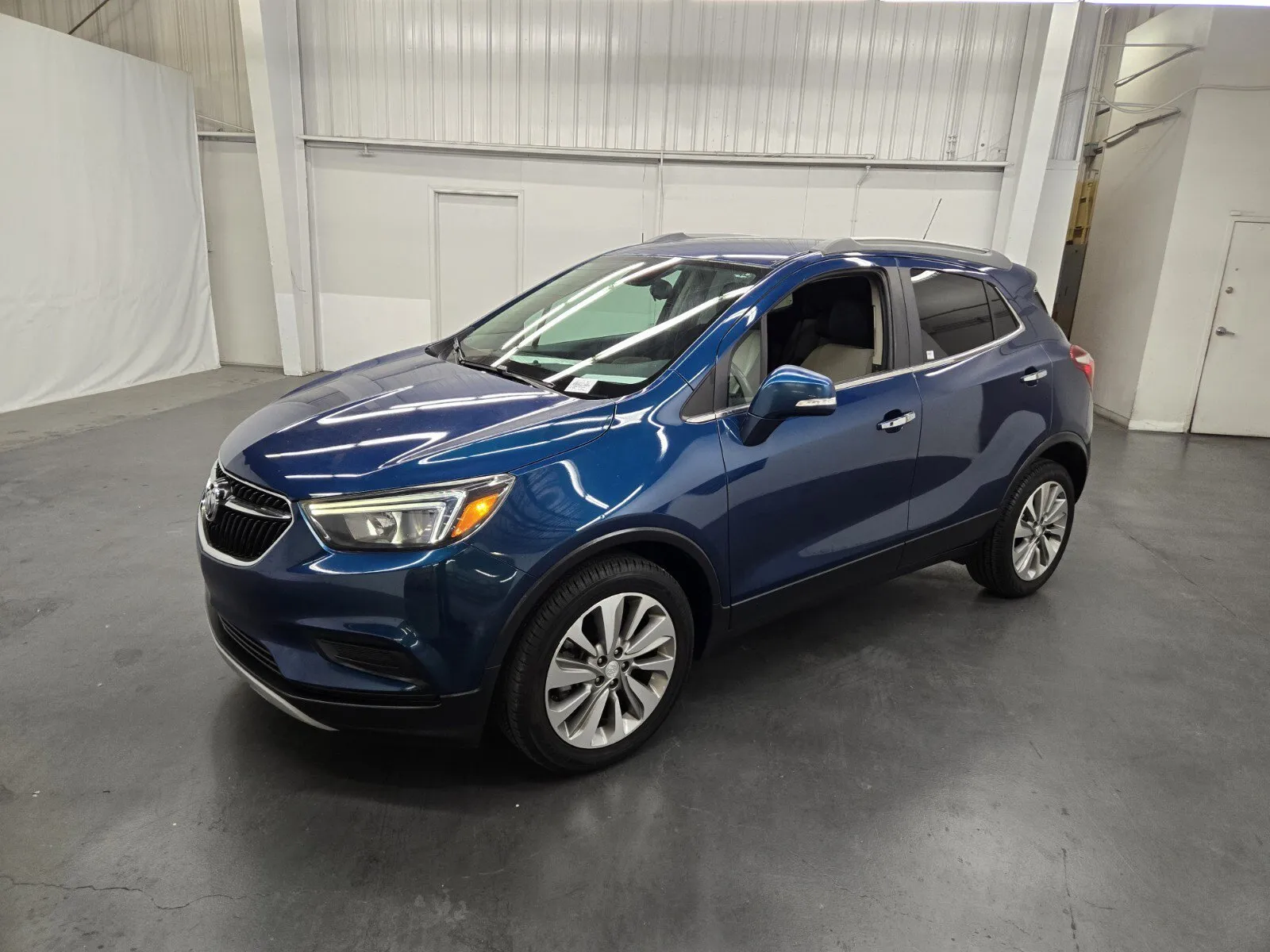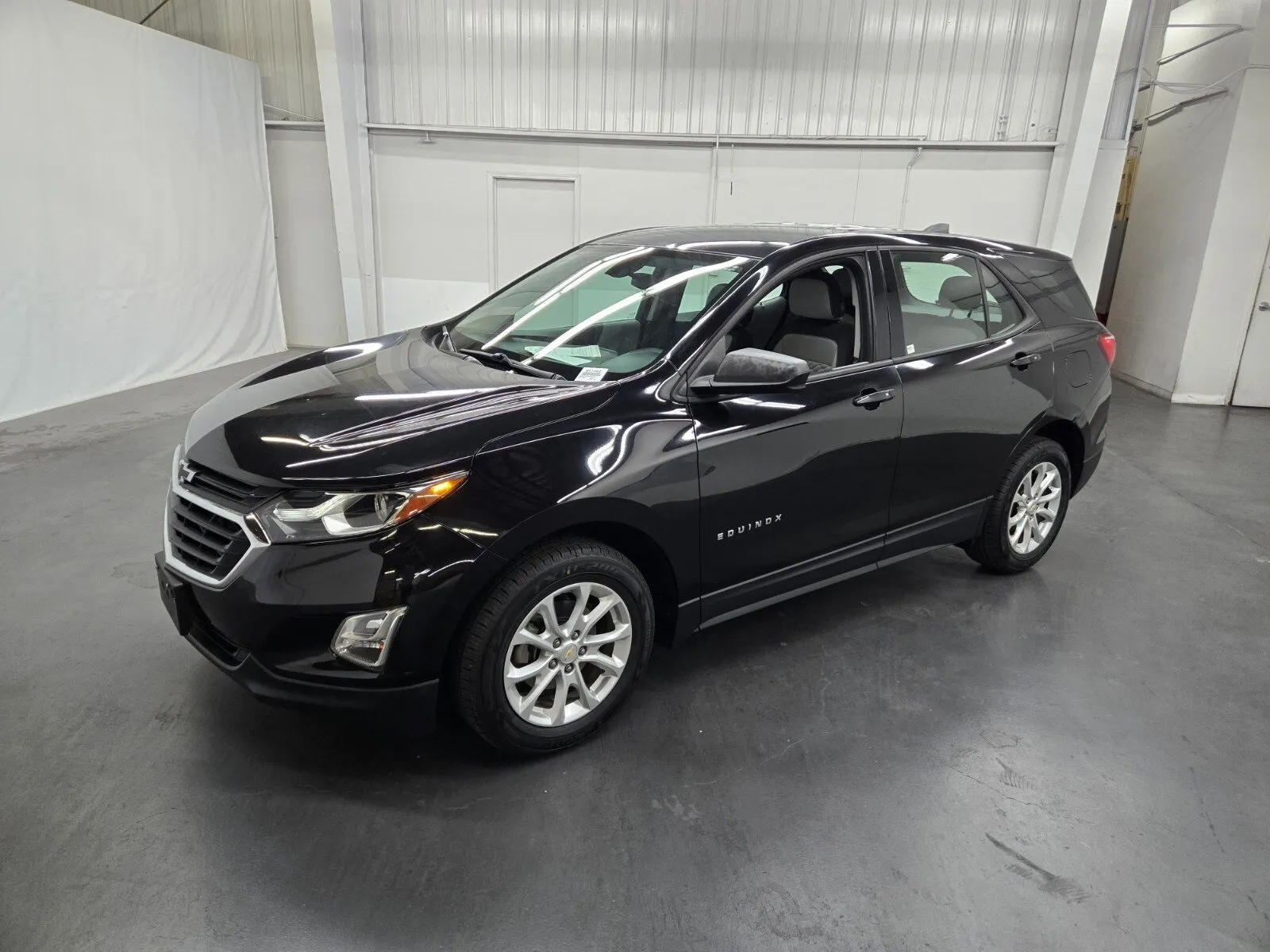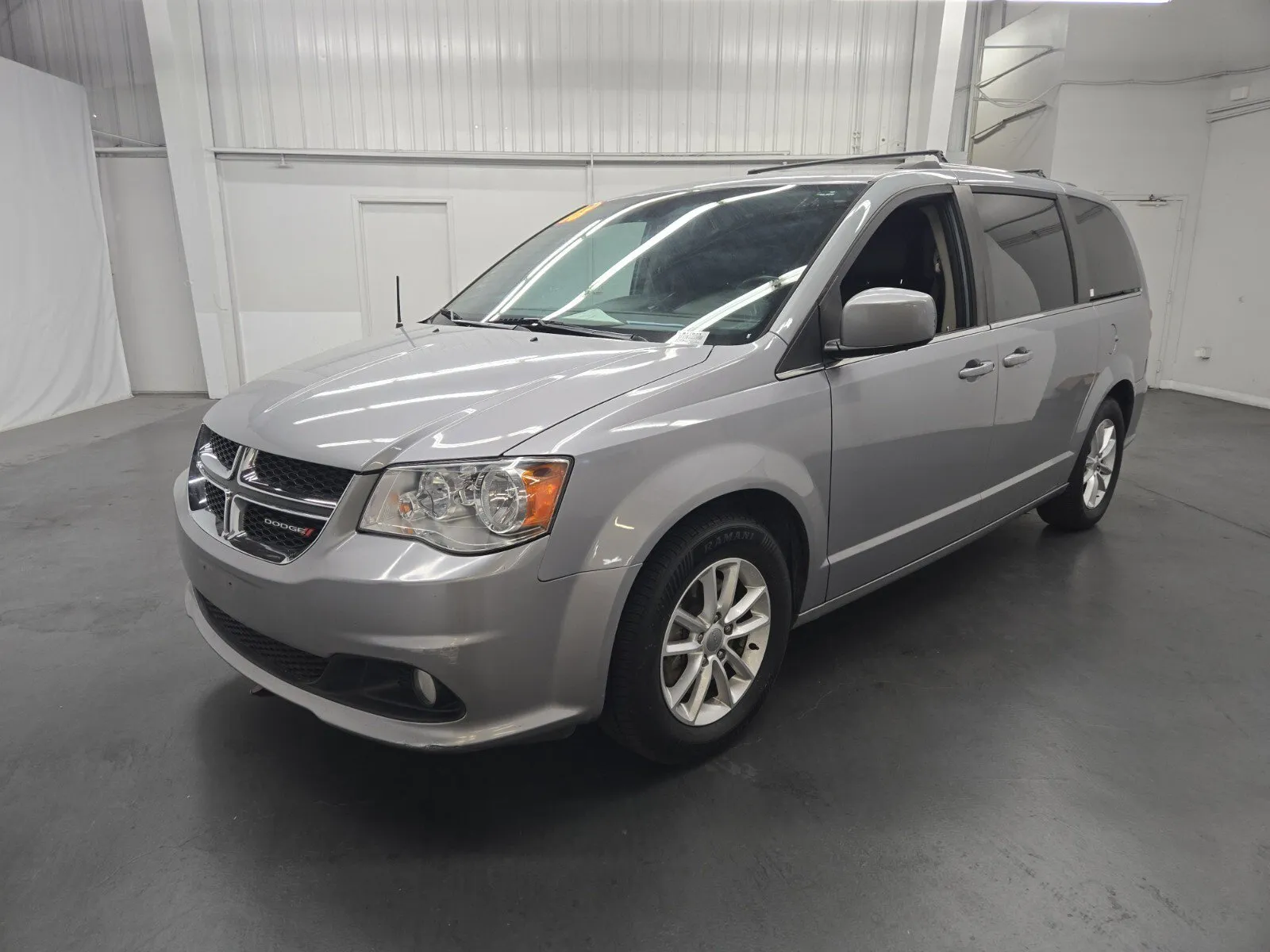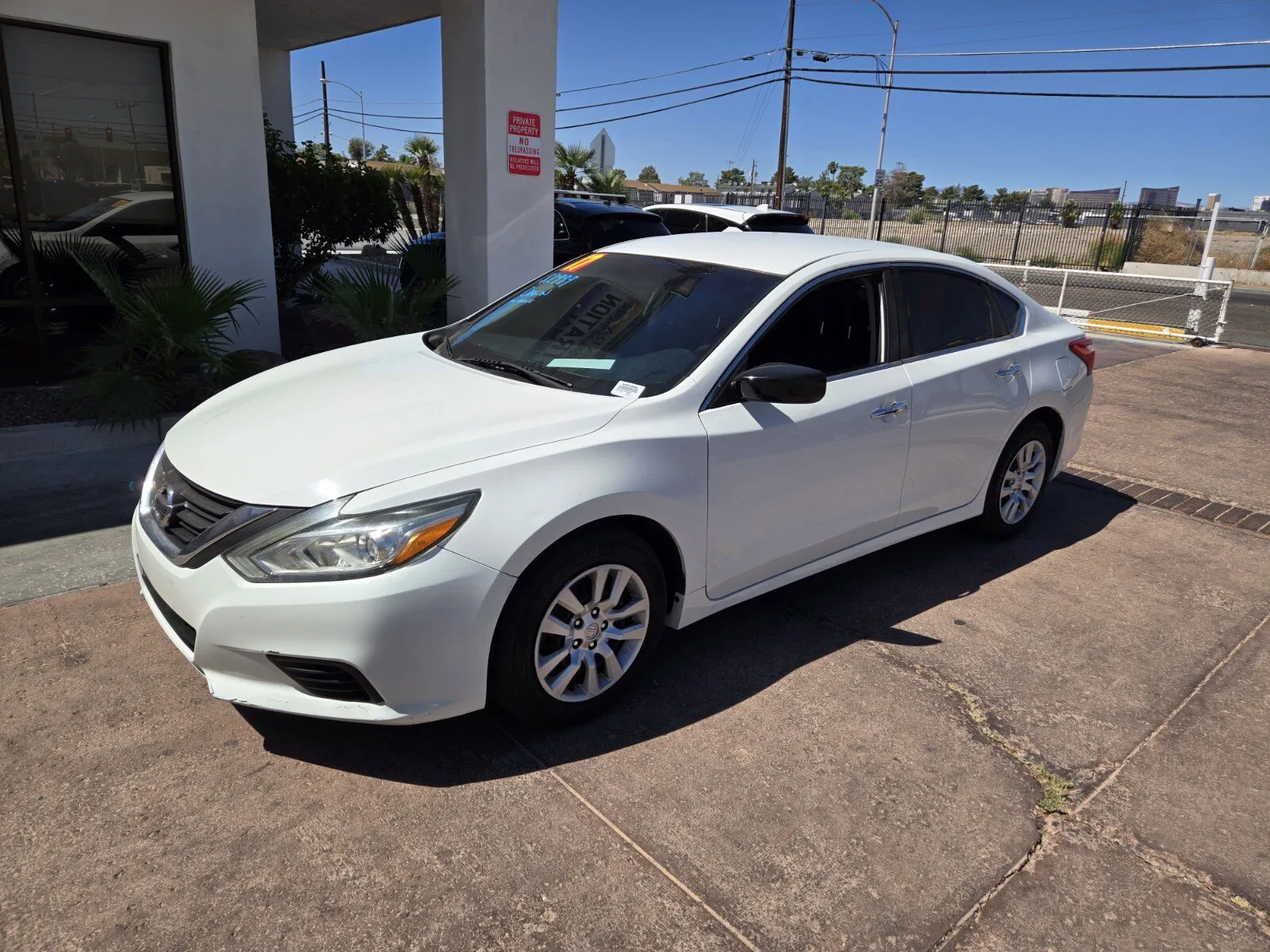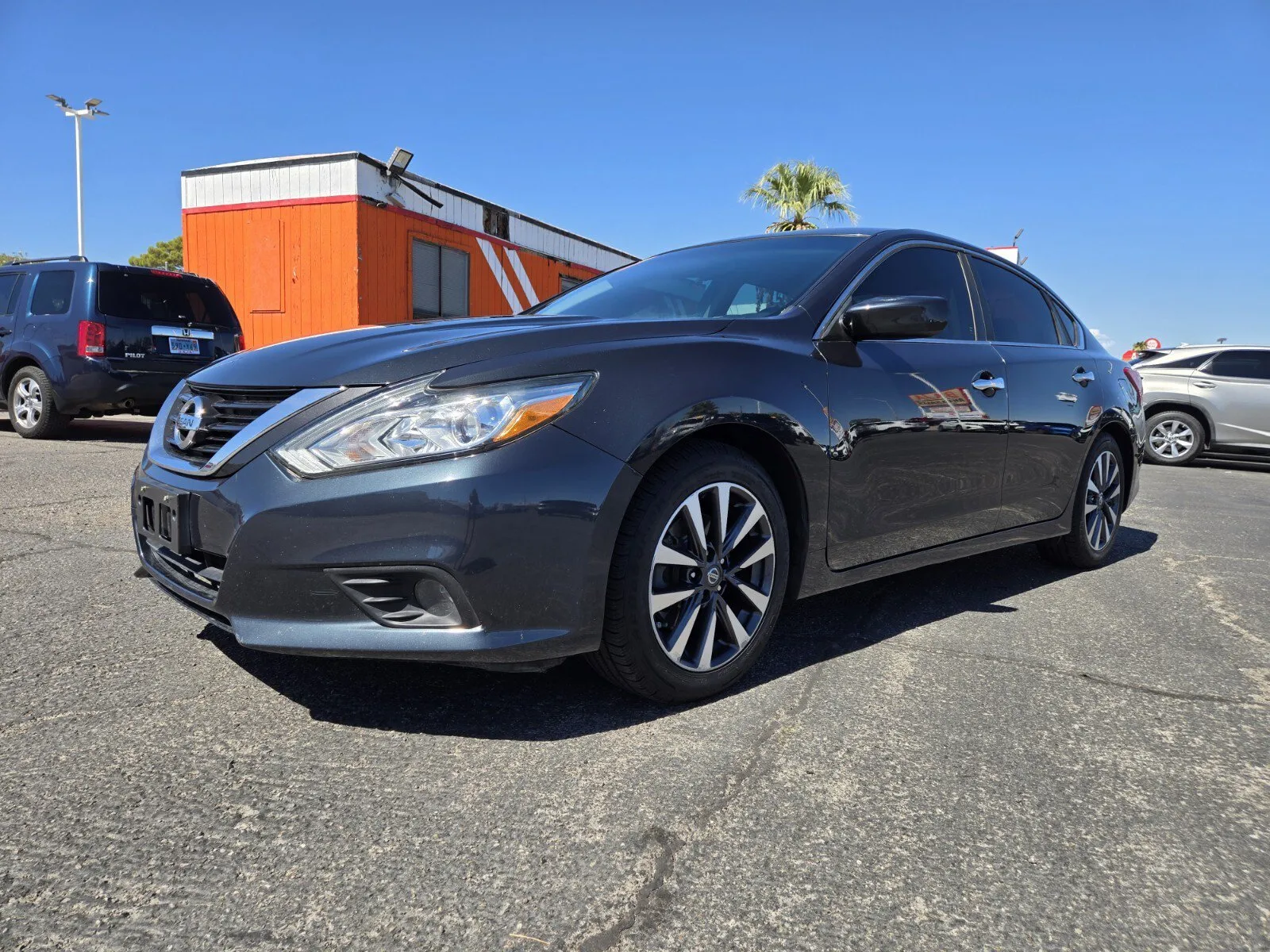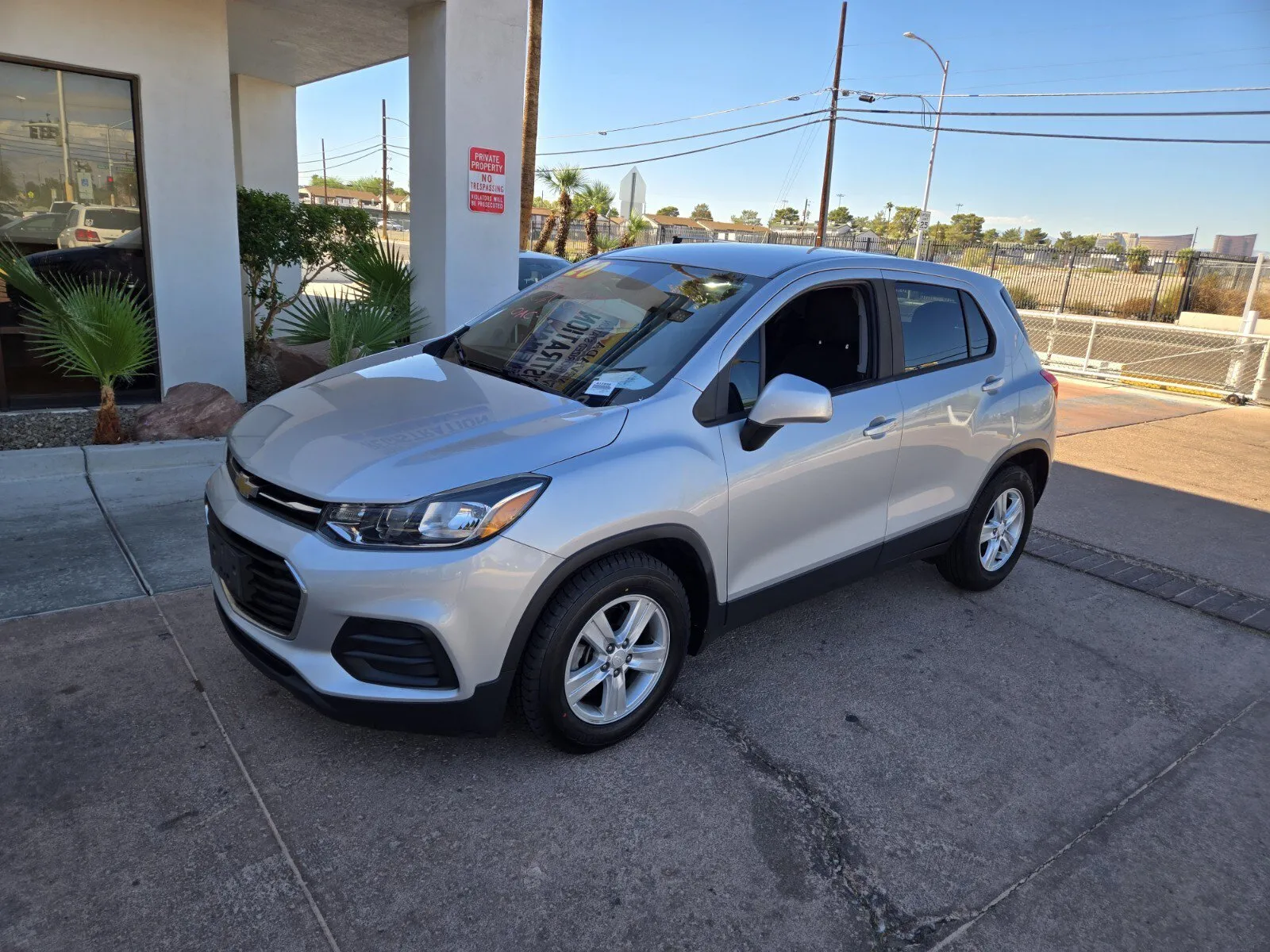
Buying Used vs. New in 2026: Which Option Saves You More?
Table of Contents
- Is It Better To Buy Used or New in 2026?
- 2026 Car Prices Make the Used-Versus-New Choice More Dramatic
- Why Used Cars Still Win on Upfront Cost in 2026
- Why New Cars Still Attract Buyers in 2026
- Depreciation in 2026 Changes the Math After You Buy
- Warranty Coverage and Dealer Disclosures Matter More Than Many Buyers Expect
- Used vs. New in 2026: A Practical Side-By-Side Comparison
- A table cannot make the choice for you, but it can clarify the tradeoffs.
- When a New Car Is Often the Better Buy in 2026
- Smart Questions To Ask Before Signing in 2026
Is It Better To Buy Used or New in 2026?
Shopping for a vehicle in 2026 feels less like a simple preference call and more like a financial strategy choice. The gap between used and new pricing is wide enough that many buyers are rethinking what “better” really means.
For most households, the answer is not universal. It depends on cash flow, risk tolerance, how long the vehicle will be kept, and how much value is placed on warranty coverage versus lower monthly payments.
2026 Car Prices Make the Used-Versus-New Choice More Dramatic
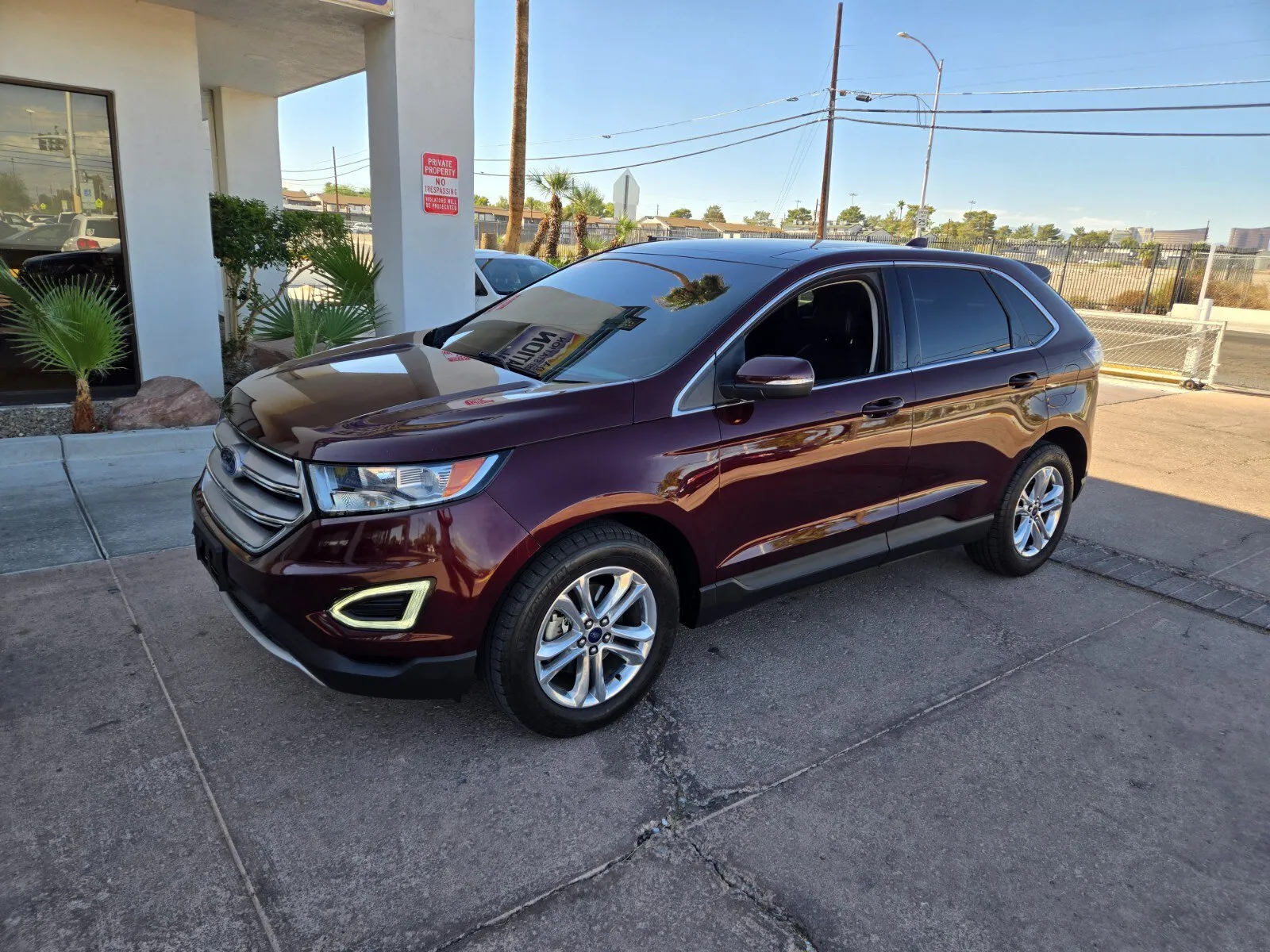
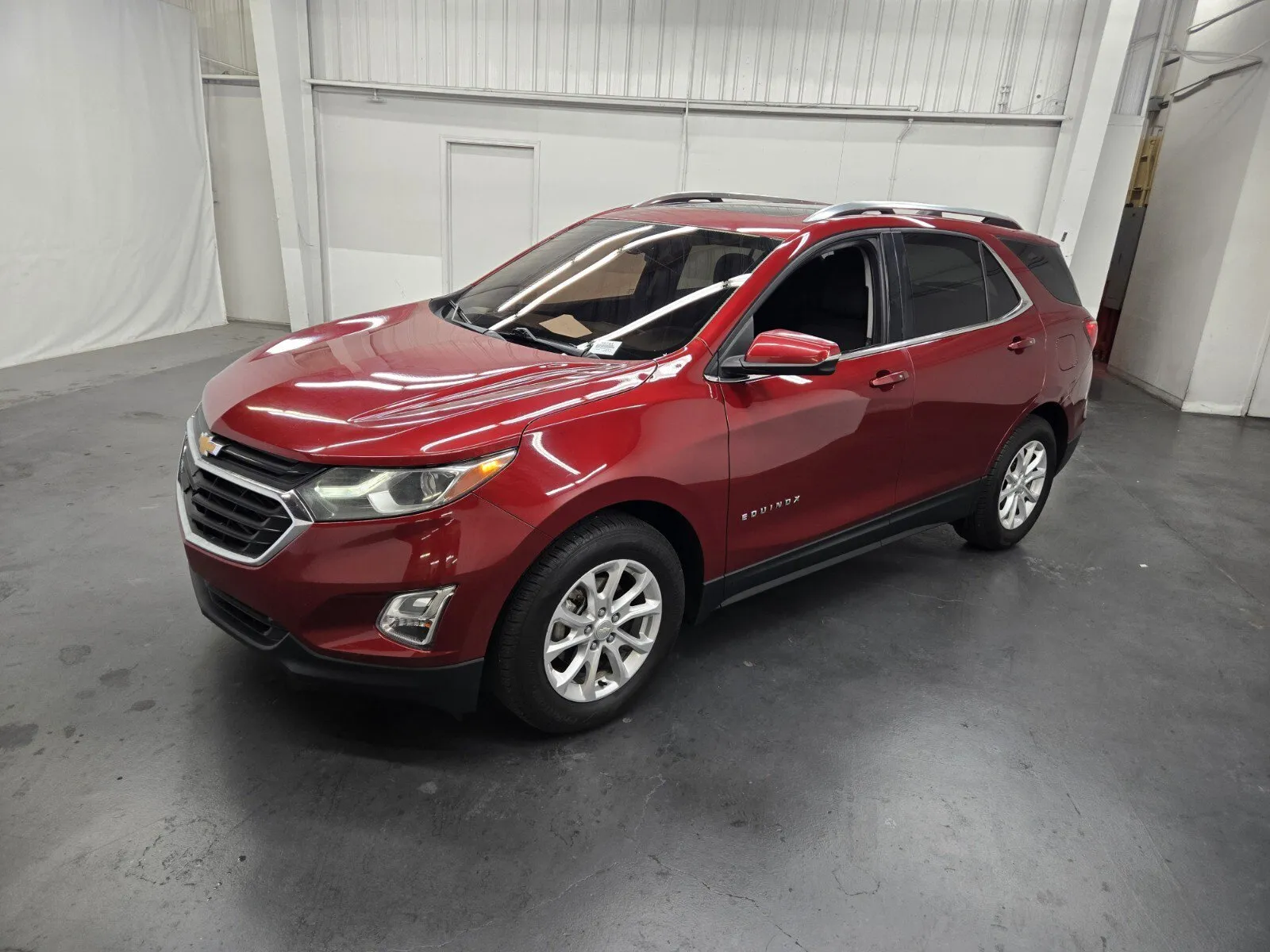
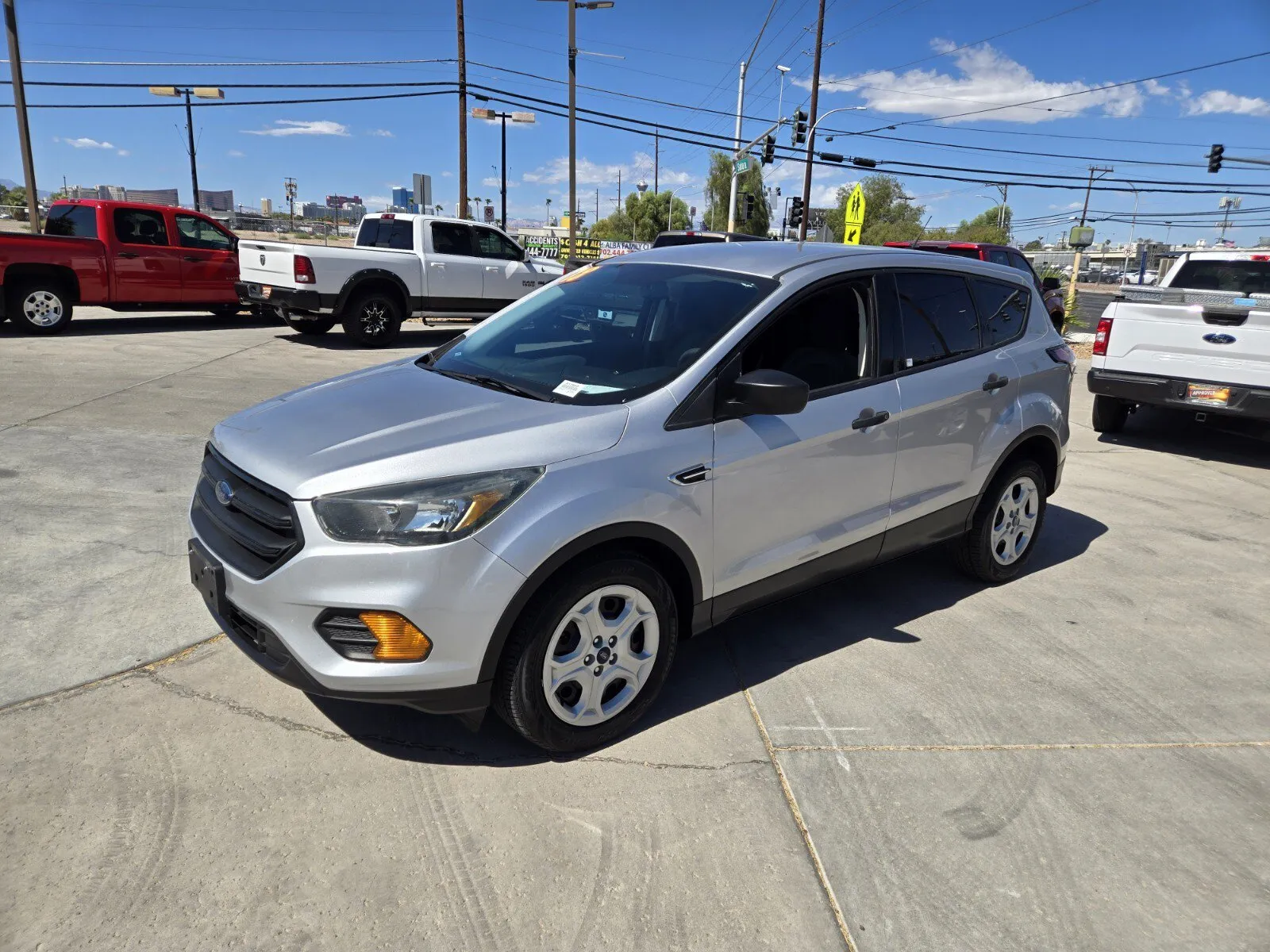
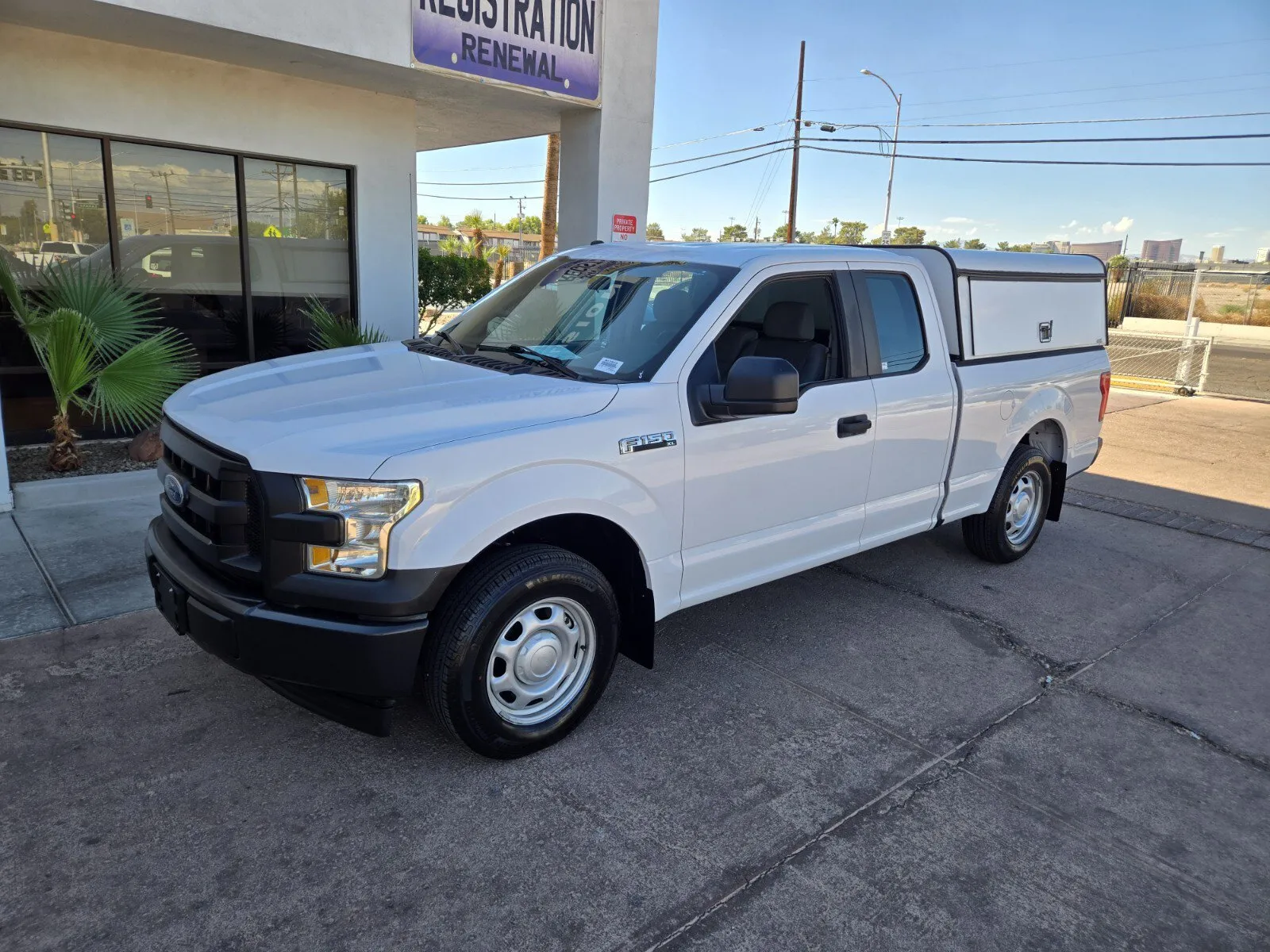
The biggest factor is still the sticker price. Kelley Blue Book reported that the average used car sold for $26,043 in December 2025. Cox Automotive put the U.S. industry-average new-vehicle transaction price at $49,275 in March 2026.
That is not a small spread. It is a major budget line.
A buyer comparing used and new is often looking at a difference of more than $23,000 before taxes, fees, financing costs, insurance changes, and accessories. Even if the vehicles are not direct equivalents, that pricing gap shapes almost every decision later.
A new car can still make sense, especially when the buyer wants the latest safety tech, lower uncertainty, and included manufacturer warranty protection. Still, used cars remain the more accessible entry point by a wide margin. That has made the used market the practical choice for many shoppers who want transportation first and novelty second.

Why Used Cars Still Win on Upfront Cost in 2026
Used cars usually win the first round because they ask less from your bank account on day one. Lower purchase prices often mean a smaller down payment, lower taxes in many states, and lower monthly payments if the loan terms are similar.
That matters more than ever when new vehicle transaction prices are hovering near $50,000. A buyer choosing used may be able to stay within budget without stretching the loan far beyond comfort. That alone can reduce financial pressure over several years of ownership.
There is also more flexibility in the used market. A buyer can target an older but well-kept vehicle, move to a higher trim for the same money, or choose a model known for strong reliability once the first owner has already absorbed the steepest depreciation hit.
Used does come with tradeoffs, though. Mileage, prior wear, accident history, service history, and ownership records all matter. Two cars with the same badge and year can be very different purchases.
After price, these are often the strongest reasons buyers lean used:
- Lower upfront cost.
- Slower depreciation from the point of purchase.
- More vehicle options for the same money.
- Cheaper registration or taxes in some areas.
- Wider range of model years and trim levels.
Why New Cars Still Attract Buyers in 2026
New cars ask for a much larger investment, but they also offer something used vehicles cannot fully match — a cleaner slate. No previous owner habits. No hidden wear from neglected maintenance. No uncertainty about how the break-in period was handled.
That confidence has real value.
The Federal Trade Commission notes that a manufacturer’s warranty is included in the price of a new vehicle and typically covers the car for a set number of months or miles, whichever comes first. For buyers who want predictable early ownership costs, that coverage can be worth a lot. It reduces the chance of facing a major repair bill right after purchase.
A new vehicle can also come with updated safety systems, newer infotainment software, and stronger fuel economy or electric range, depending on the segment. If someone plans to keep the car for a long time, paying more upfront may feel reasonable because the ownership timeline is longer and the vehicle begins at zero miles.
There is a psychological benefit, too. Many buyers simply prefer certainty. When the budget allows it, certainty can be persuasive.
Depreciation in 2026 Changes the Math After You Buy
The most important financial argument for used cars is depreciation. Kelley Blue Book says most new vehicles lose about 20% of their value in the first year and about 60% within five years.
That means the first owner often pays the highest price for the fastest value drop.
A buyer who purchases a vehicle after that first steep decline may avoid the harshest part of depreciation.
That is why lightly used cars, especially those that are one to three years old, often sit in a sweet spot. They are not cheap in absolute terms, but they can make stronger financial sense than buying brand new.
Depreciation is not identical across all vehicles either. Kelley Blue Book points to several factors that shape resale value, including mileage, age, reliability, service history, number of owners, general condition, desirability, fuel economy, and warranty length. A reliable model with documented maintenance can hold value far better than a model with a weaker reputation.
- This is where a “used versus new” debate becomes a “which used car versus which new car” debate. A carefully chosen used vehicle can outperform a poorly chosen new one in total value. The reverse is also true.
Warranty Coverage and Dealer Disclosures Matter More Than Many Buyers Expect
The warranty gap between used and new is one of the clearest differences in 2026.
With a new car, the basic framework is straightforward — the manufacturer’s warranty is part of the purchase. You know coverage exists, even if the exact terms differ by brand. That reduces ambiguity.
Used cars require more attention to paperwork. The FTC’s Used Car Rule says dealers must display a Buyers Guide on used vehicles offered for sale. That guide tells shoppers whether the dealer is offering a warranty and, if so, the key terms, including how long it lasts, what systems are covered, and whether the buyer must share repair costs. In states that do not allow used cars to be sold as is, a different version of the Buyers Guide is required.
That rule does not remove all risks, but it gives buyers a clearer starting point. If you are buying used, the Buyers Guide is not background paperwork. It is one of the first documents worth reading closely.
One more point often gets missed — a service contract is not the same thing as a warranty. The FTC says service contracts are optional and can be expensive. Some buyers like the extra protection. Others pay for coverage they never use. The right move depends on the vehicle, the contract terms, and your tolerance for repair risk.
Used vs. New in 2026: A Practical Side-By-Side Comparison
- A table cannot make the choice for you, but it can clarify the tradeoffs.
| Factor | Used Car in 2026 | New Car in 2026 |
|---|---|---|
| Average price point | Around $26,043 average used price in late 2025 | Around $49,275 average transaction price in March 2026 |
| Upfront affordability | Stronger | Weaker |
| Depreciation after purchase | Usually slower than new | Steepest in the early years |
| Warranty coverage | Varies by vehicle and dealer | Included manufacturer warranty |
| Vehicle history risk | Higher | Very low |
| Choice of features | Depends on model year | Current tech and safety features |
| Paperwork focus | Buyers Guide, history reports, inspection | MSRP, incentives, warranty terms |
| Emotional appeal | Value and flexibility | Fresh start and certainty |
For many buyers, this table tells the story clearly. Used is usually the stronger value play. New is usually the lower-uncertainty play.
A table cannot make the choice for you, but it can clarify the tradeoffs.
Used tends to make more sense when budget discipline is the top priority. If a buyer wants reliable transportation without taking on a large monthly obligation, used is often the more rational path.
It also works well for buyers who care about total cost more than status. A two- or three-year-old vehicle with good maintenance records may deliver nearly all the practical benefits of new ownership, while costing far less.
These buyer profiles often fit the used market well:
- Budget-first households: Lower payment pressure and less cash tied up in the vehicle.
- Drivers with predictable routines: Easier to choose an older model when mileage and use are stable.
- Value-focused shoppers: More trim options, more features, or a better segment for the same spend.
- Long-term owners: More time to benefit from buying after the steepest depreciation period.
Used also suits buyers who are willing to do a little homework. A pre-purchase inspection, a vehicle history report, and a close reading of the Buyers Guide can sharply improve the odds of making a strong purchase.
When a New Car Is Often the Better Buy in 2026
New is often the better fit when peace of mind outranks price. Some buyers want the confidence of full warranty coverage, no prior wear, and the latest version of a vehicle’s safety and infotainment systems. That preference is valid, especially when the vehicle will be driven heavily or kept for many years.
There is also a practical case for a new vehicle when repair uncertainty would cause major stress. A lower chance of immediate problems can matter more than depreciation if a buyer depends on the vehicle for commuting, family transport, or work.
A new vehicle may also be the stronger choice in these situations:
- Warranty priority: Coverage is built into the purchase price.
- High-mileage driving: Starting at zero miles may feel worth the premium.
- Tech and safety focus: Newer driver assistance features can be a deciding factor.
- Minimal risk tolerance: Less concern about hidden wear or past neglect.
The premium is real, but so is the clarity that comes with a factory-fresh vehicle.
Smart Questions To Ask Before Signing in 2026
The best car purchase is rarely about the badge alone. It is about fit, timing, and discipline. Before signing, it helps to narrow the decision to a few direct questions.
A buyer comparing used and new should ask:
- What matters more? The lowest total spend or the lowest uncertainty?
- How long will I keep it? Two years, five years, or 10?
- What does the warranty actually cover? And for how long?
- If it is used: What does the Buyers Guide say about warranty terms or as-is status?
- If a service contract is offered: What is included, what is excluded, and what is the real cost?
The strongest move in 2026 is to compare real numbers, not just monthly payments. Price, depreciation, warranty coverage, repair risk, and expected ownership length tell a much clearer story than showroom excitement ever will.