What To Look for When Shopping Pre Owned in Las Vegas
Table of Contents
- What To Look for When Shopping Pre‑Owned in Las Vegas
- Use the Las Vegas Pre-Owned Inventory To Compare More Than Sticker Price
- Check the Vehicle History Report and Dealer Disclosures Early
- Review Financing by Total Cost, Not Just Monthly Payment
- Follow Nevada Title, Odometer, and Inspection Requirements
- Nevada Rules for Out-Of-State Pre-Owned Vehicles
- Test-Drive for Las Vegas Heat, Highway Miles, and Real Daily Comfort
- Ask Direct Questions and Expect Direct Answers
What To Look for When Shopping Pre‑Owned in Las Vegas
Shopping for a used vehicle in Las Vegas can be a smart move, especially when local inventory gives buyers room to compare age, mileage, features, and price without rushing into a decision.
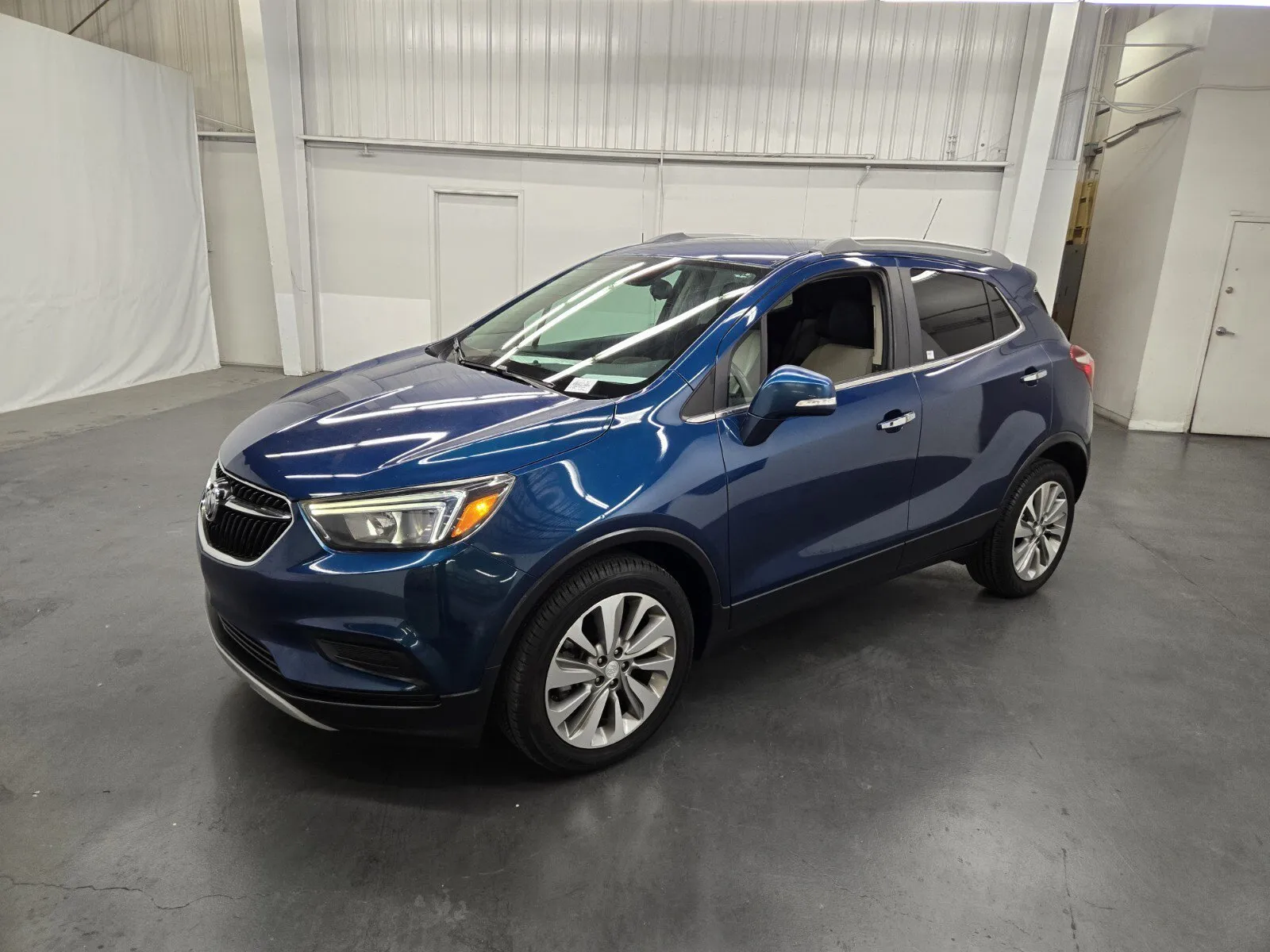
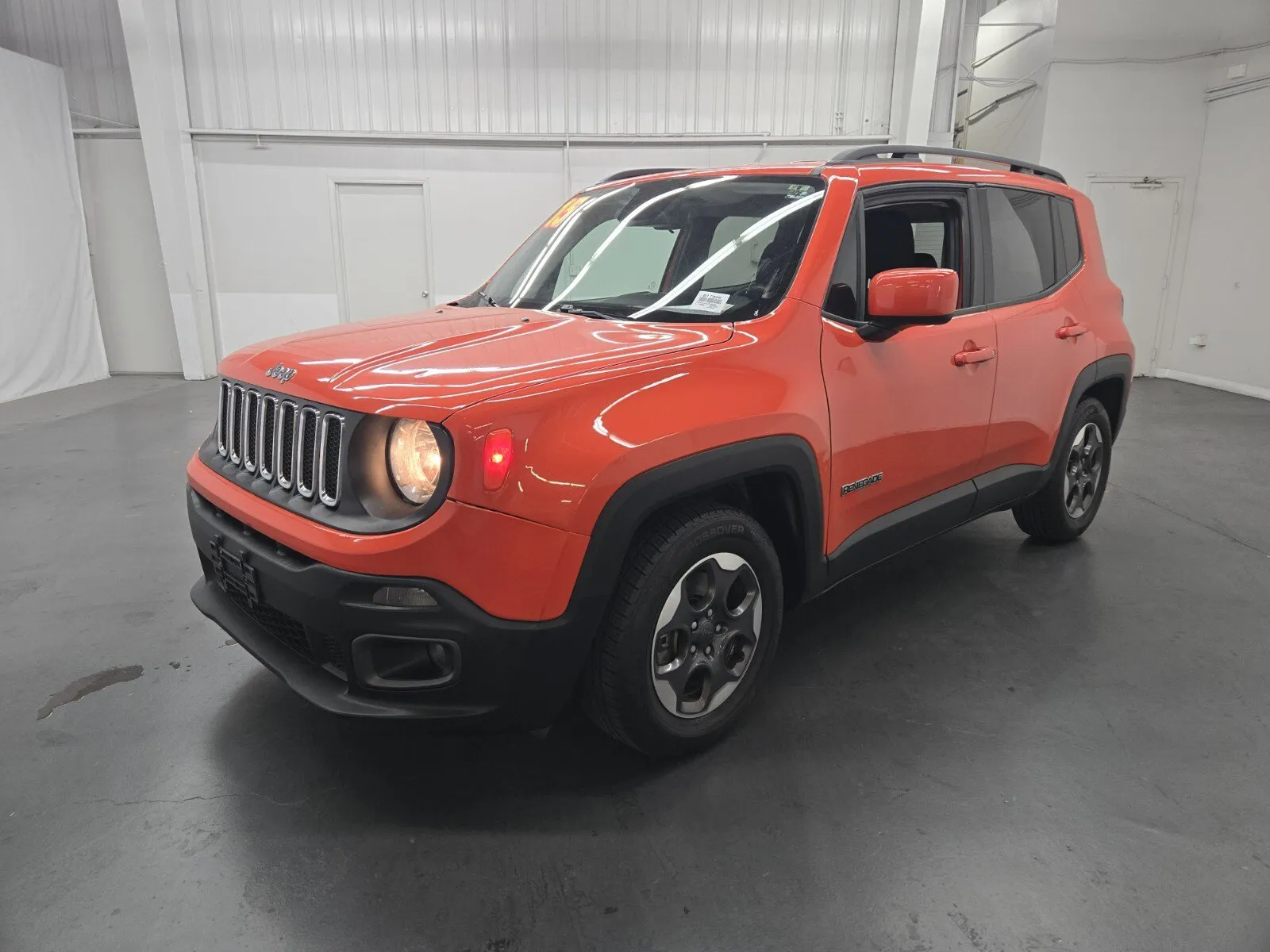
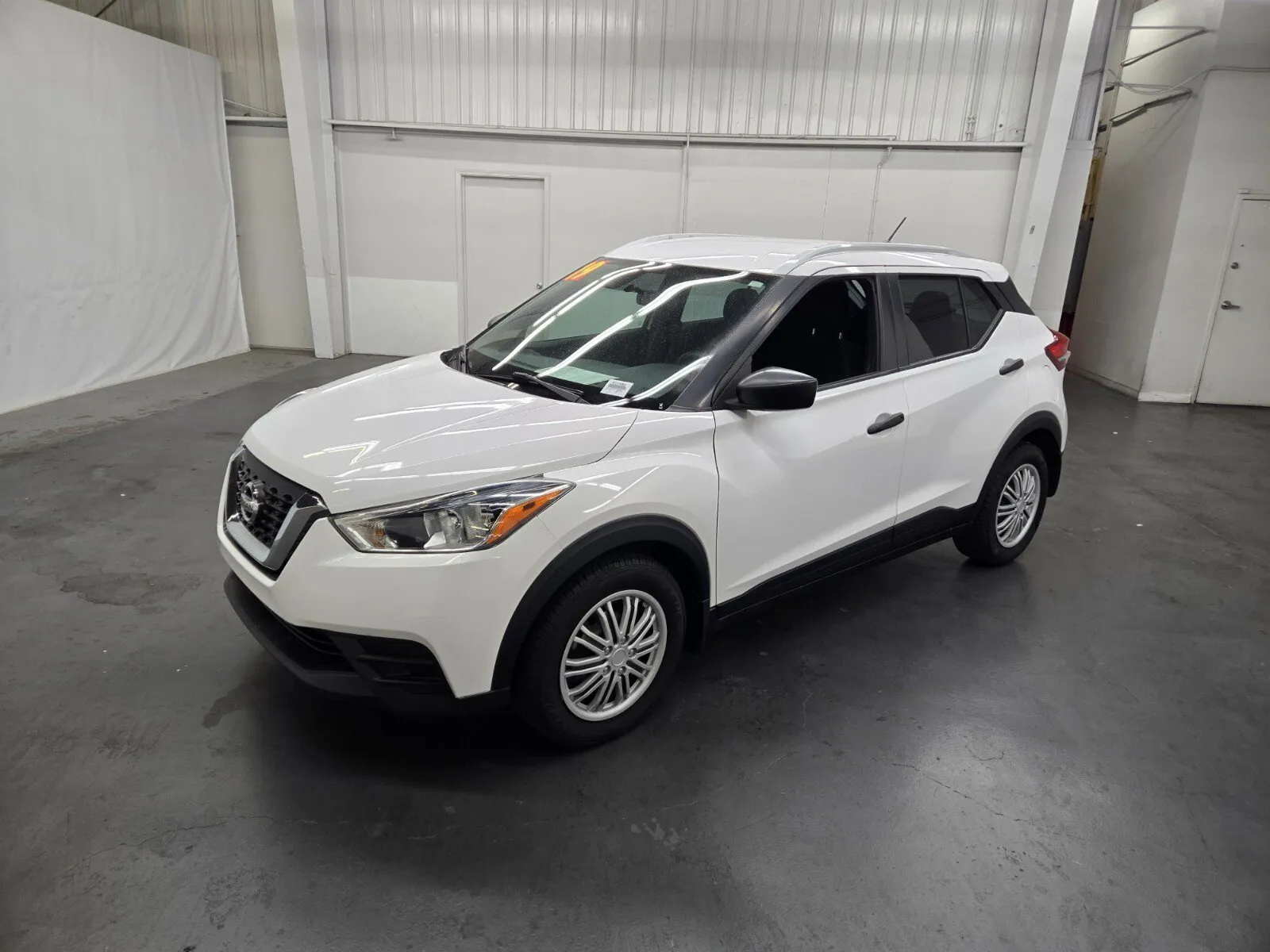
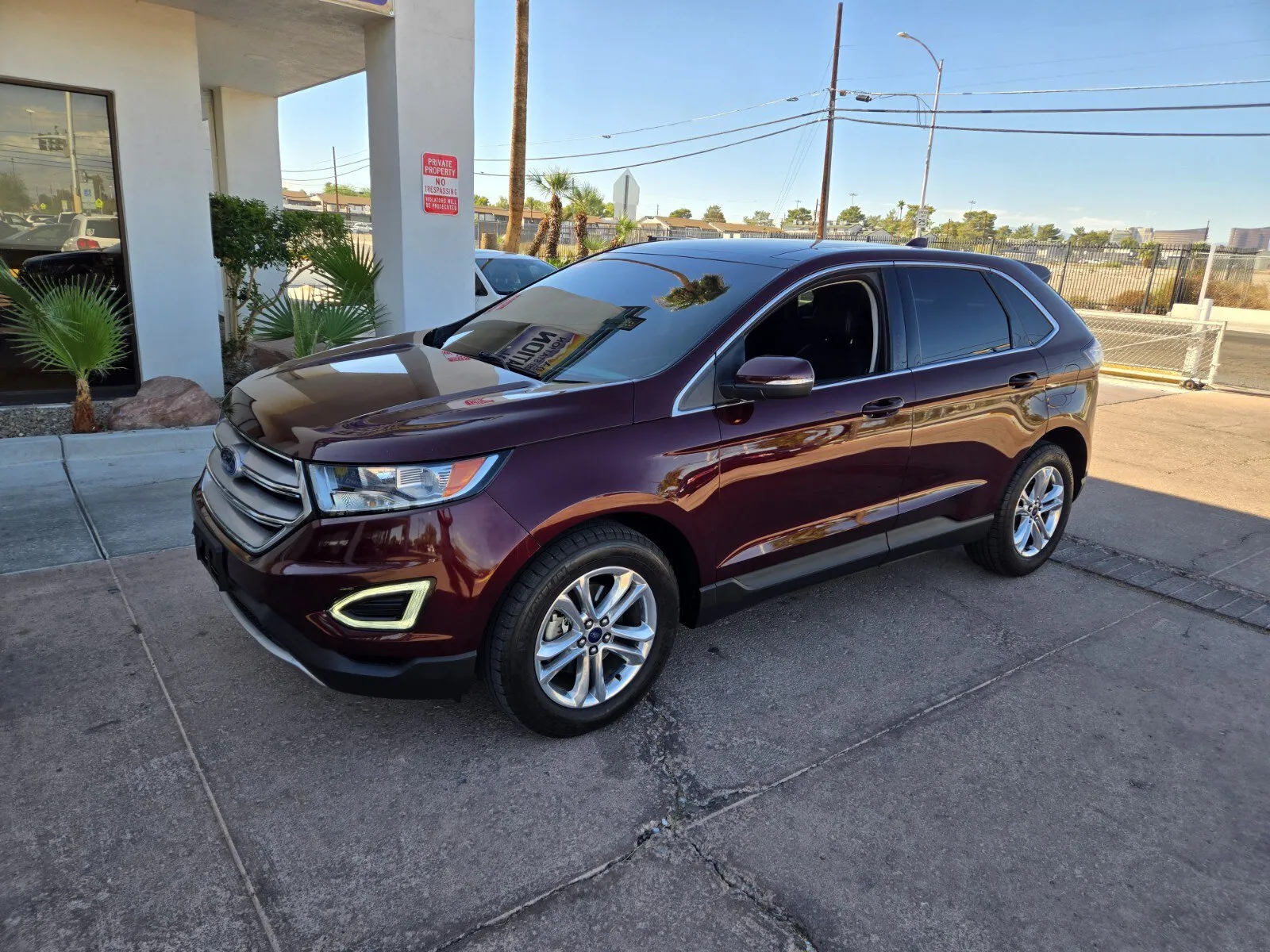
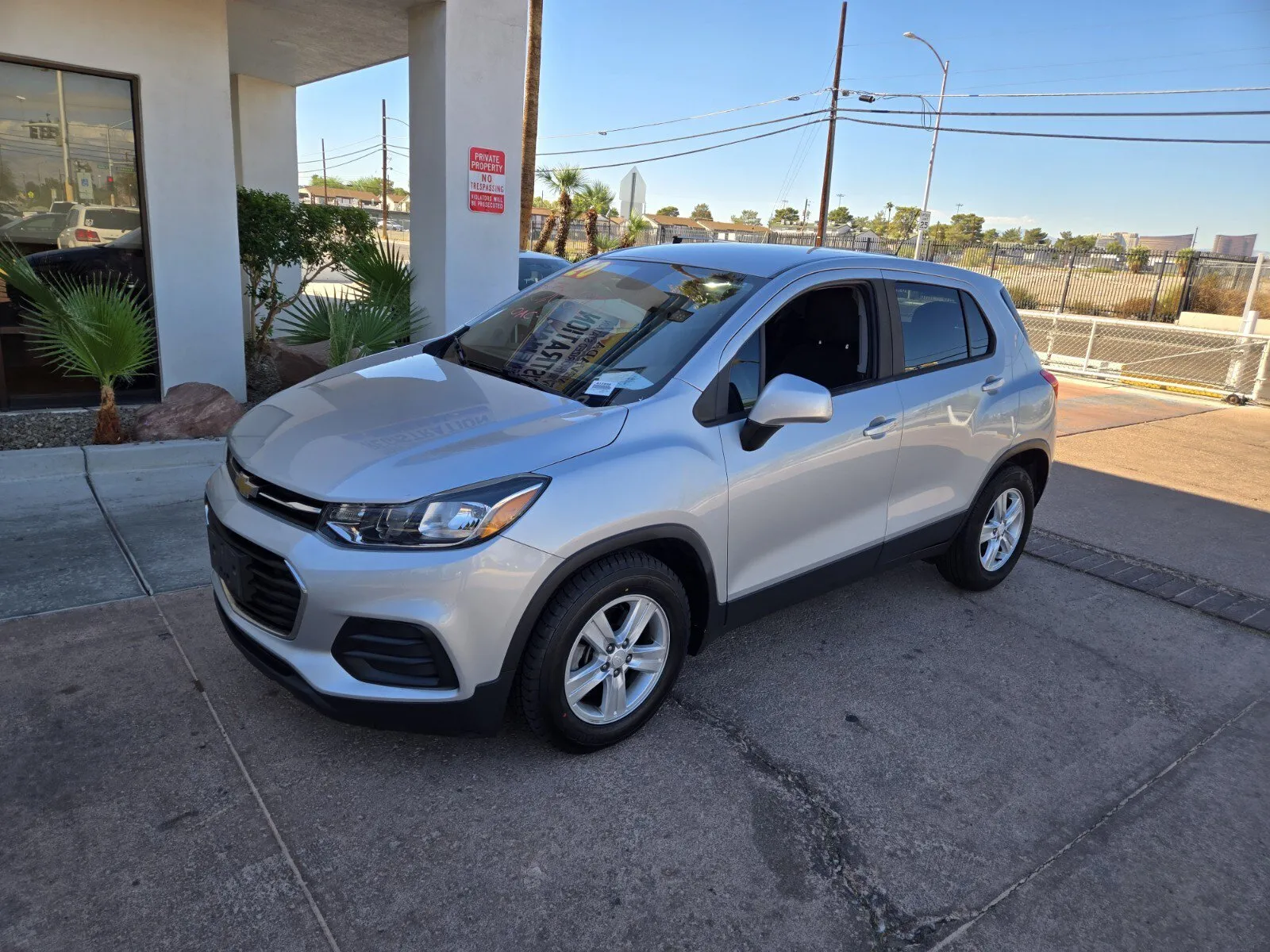
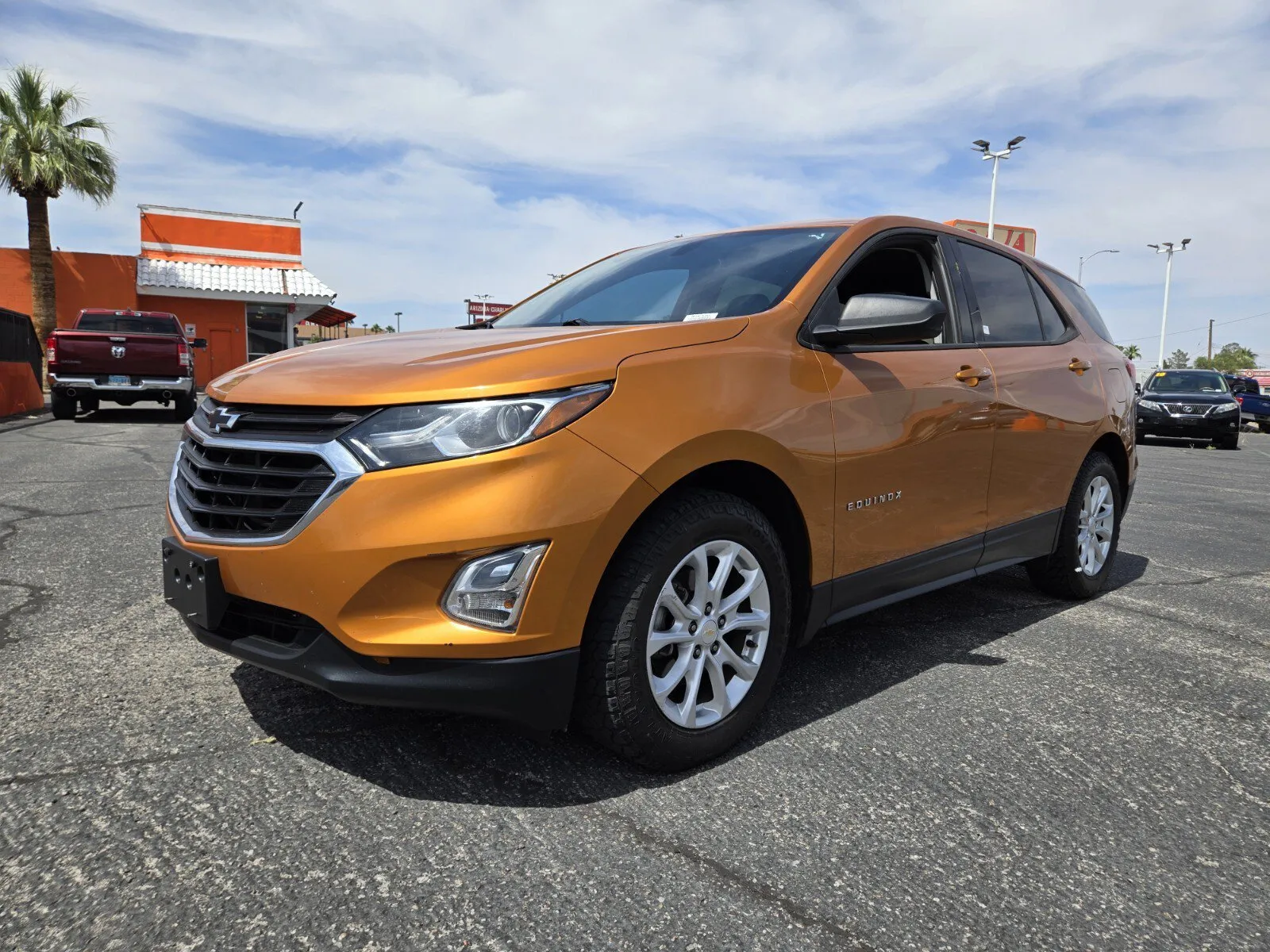
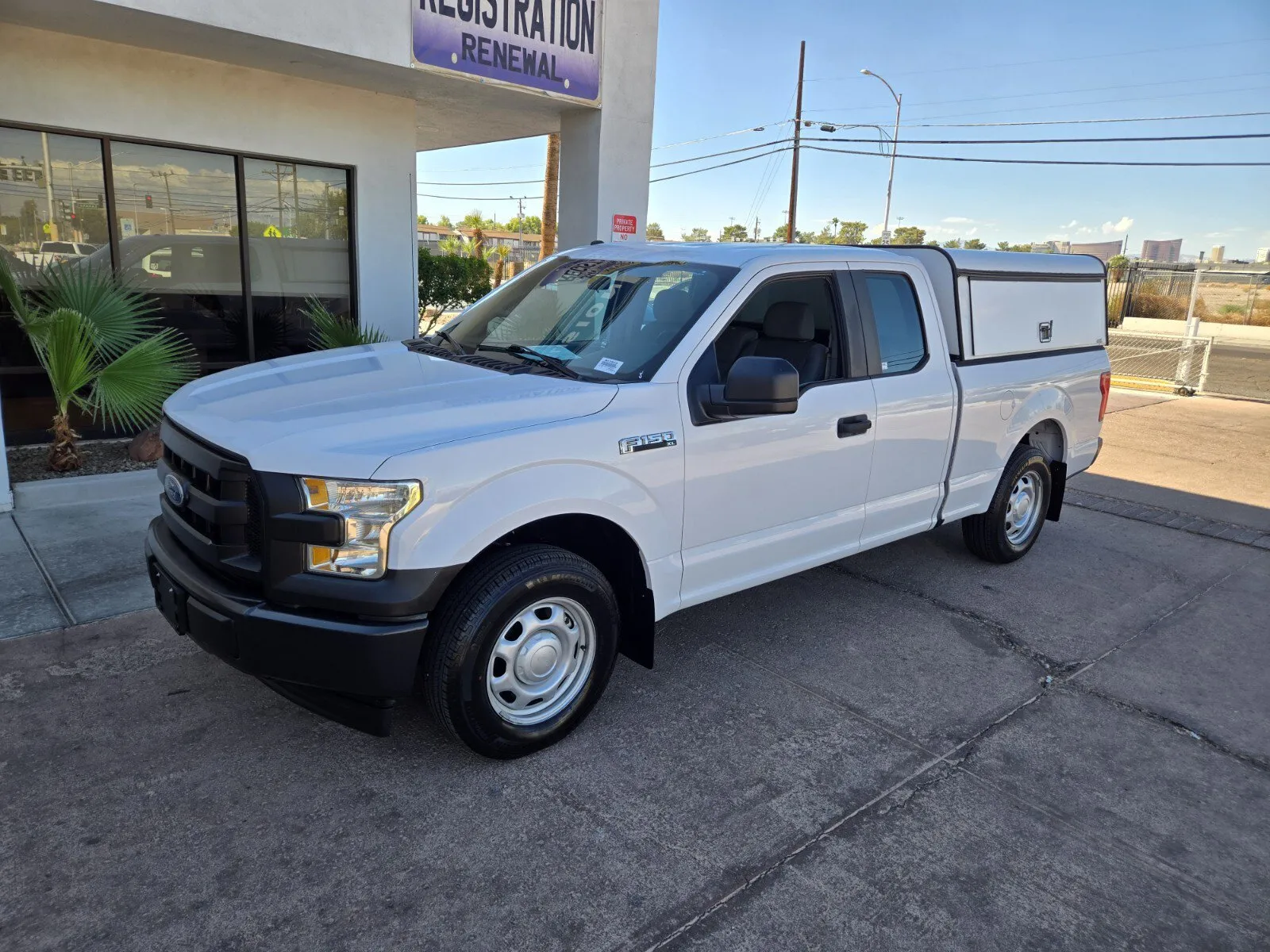
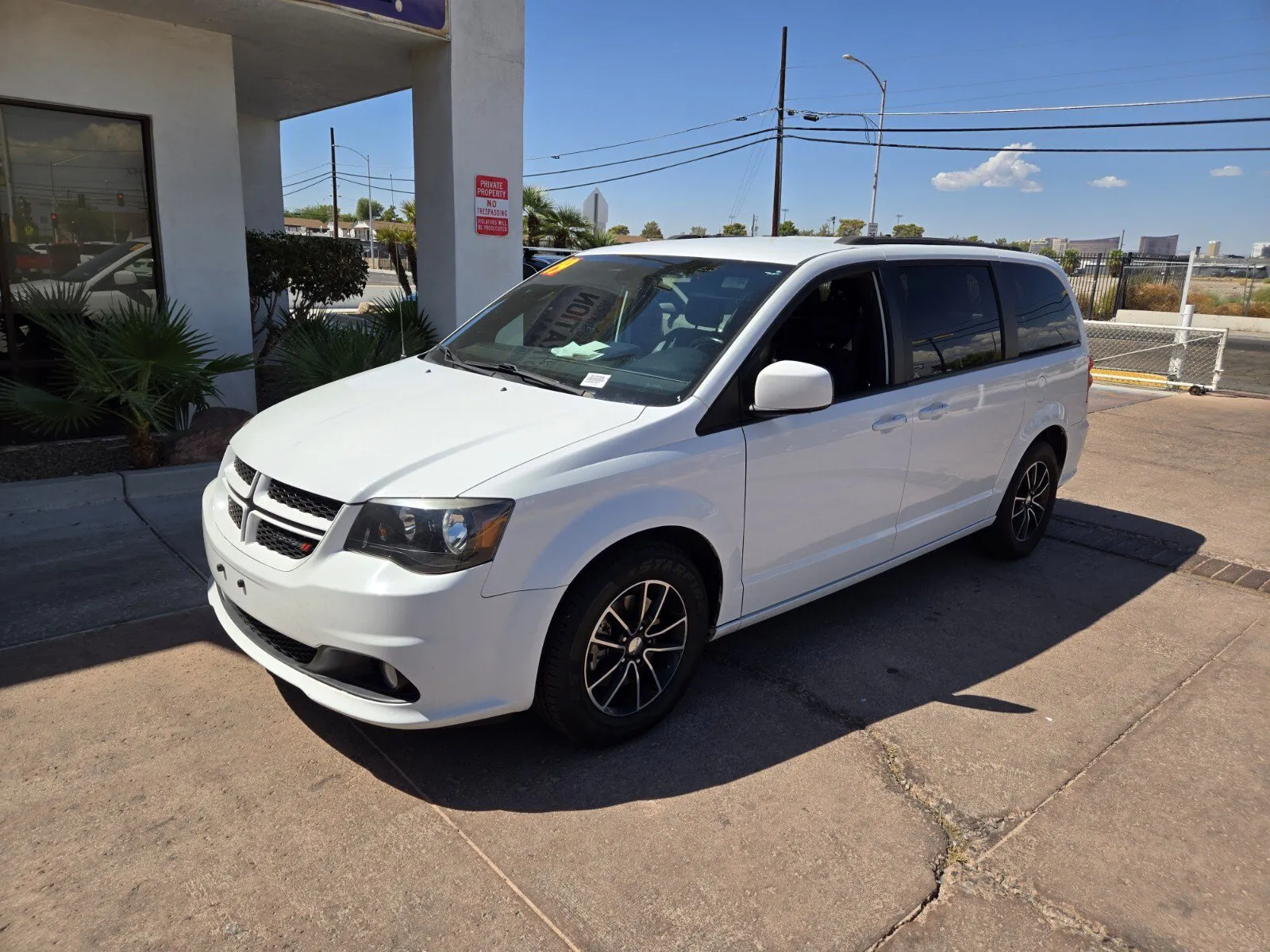
One example from the local market is our dealership. Baja Auto Sales, which lists 183 used cars, trucks, and SUVs for sale, operates two Las Vegas locations. A market with that kind of selection favors buyers who show up prepared.
Preparation matters even more because Nevada does not give buyers a cooling-off period after a vehicle purchase. Once the contract is signed, the deal is generally final. That makes early checks on history, title status, financing, and inspection details far more than a formality.

Use the Las Vegas Pre-Owned Inventory To Compare More Than Sticker Price
A large used car market can work in your favor, but only if you compare the right things. Price is one data point. The stronger measure is value across the full package — mileage, maintenance history, accident history, trim level, tire condition, interior wear, and expected ownership costs.
That approach is useful in Las Vegas, where desert heat, long summer drives, and stop-and-go traffic can expose weak air conditioning, old batteries, worn tires, and cooling-system issues quickly. A vehicle that looks sharp online may feel very different after a few minutes at a red light in July.
Before you start test-driving, it helps to decide what matters most in daily use, such as:
- Strong air conditioning
- Reliable service history
- Tire condition for hot pavement
- Highway comfort
- Cargo space and seating fit
- When a dealer has a broad inventory, that list becomes powerful. Instead of forcing one vehicle to fit your needs, you can compare several similar models and eliminate weak candidates early.
Check the Vehicle History Report and Dealer Disclosures Early
The Federal Trade Commission advises used car shoppers to get a vehicle history report before buying. That step can flag prior accidents, title problems, odometer issues, or major ownership gaps. It is not the whole story, but it is one of the fastest ways to avoid obvious risk. A clean cabin can hide a rough paper trail.
Match the vehicle history report to the car in front of you. Verify that the VIN on the dashboard, driver-side door area, service records, and sale paperwork all agree. If anything is inconsistent, pause the deal, and ask direct questions. A seller should be able to explain the record clearly.
The FTC also says most dealers who sell used vehicles must comply with the Used Car Rule. For shoppers, that means dealer disclosures are not something to skim. Read the paperwork carefully, ask what is included, and confirm whether any promises are written into the contract instead of spoken across a desk.
- This is also the right moment to ask for service records, recent reconditioning details, and whether an independent mechanic can inspect the vehicle before purchasing. A pre-purchase inspection costs far less than major repairs a month later.
Review Financing by Total Cost, Not Just Monthly Payment
Many used car listings highlight an estimated monthly payment or an advertised APR. Those numbers can be useful, though they do not tell the whole financial story. The FTC recommends comparing the total cost, not just the advertised rate, and that advice is especially relevant when long loan terms are involved.
Before signing, break the deal into simple parts and review each one:
- Sale price: The vehicle amount before taxes, fees, add-ons, and financing.
- APR: The borrowing cost that affects what you pay over the life of the loan.
- Loan term: The number of months, which can lower the payment while raising the total paid.
- Down payment: The cash amount that is due at signing.
- Trade-in value: The credit applied to reduce the financed amount.
- Optional products: Service contracts, GAP coverage, and other extras that change the final numbers.
If a monthly payment is the only figure being discussed, slow the conversation down. Ask for the out-the-door price, total financed amount, total number of payments, and a line-by-line review of fees and optional products. A good deal should remain solid when viewed from every angle.
Follow Nevada Title, Odometer, and Inspection Requirements
Paperwork deserves the same attention as the vehicle itself. Nevada DMV rules add a few points that buyers should know before they get to the signing table, especially when the vehicle has crossed state lines or when title timing matters.
Nevada states that dealers are required to submit all documents necessary to issue a Nevada title within 30 days of the sale date. That is a useful safeguard, and it gives buyers a clear timeline to ask if documents seem delayed.
Nevada also requires the odometer reading section of the title to be completed on any 2011 or newer vehicle at the time of sale or transfer. That small detail has real value. It helps connect the mileage on the dashboard to the legal transfer record.
Here is a practical way to review the key state-related items:
| Nevada Paperwork Item | Why It Matters | What To Verify |
|---|---|---|
| No cooling-off period | The deal is generally final after signing | Read every page before agreeing |
| Dealer title submission within 30 days | Supports timely Nevada title issuance | Ask when documents will be submitted |
| Odometer reading on 2011 or newer vehicles | Confirms mileage at transfer | Match title mileage to the vehicle |
| VIN inspection for out-of-state vehicles | Required before Nevada title or registration in many cases | Confirm where the vehicle was last titled |
| Emissions Vehicle Inspection Report, if needed | May be required for re-registration | Ask whether current emissions paperwork is included |
Nevada Rules for Out-Of-State Pre-Owned Vehicles
If a vehicle is being brought into Nevada from another state, the Nevada DMV requires a VIN inspection at a DMV office before the vehicle can be registered or titled in Nevada. That is not a minor administrative detail. It affects timing, scheduling, and how soon the vehicle can be fully processed.
Nevada also allows a title-only transaction, which means legal ownership can be established without registering the vehicle immediately. That can be useful in certain situations, though buyers should still ask what steps remain and what deadlines apply.
- If the vehicle will be re-registered, the DMV says buyers may need items, including a lienholder letter or signed-off title, the current registration slip, and an emissions Vehicle Inspection Report when required. Asking about these items before delivery can save time later.
Test-Drive for Las Vegas Heat, Highway Miles, and Real Daily Comfort
A test drive in Las Vegas should do more than confirm that the vehicle moves and stops. It should show how the car behaves in conditions that matter here, such as heat, urban traffic, freeway speed, and frequent restarts.
Start the vehicle from a cold condition if possible. Listen for rough idle, delayed starts, warning lights that stay on, and any heavy odor from the A/C when it first begins running. Then drive both surface streets and faster roads. A vehicle can feel fine at 35 mph and still reveal vibration, wind noise, weak acceleration, or transmission hesitation at freeway speed.
After a solid drive, check the basics again. Look under the vehicle for leaks. Check whether the A/C stays cold at idle. Watch the temperature gauge. Open the hood and inspect for obvious corrosion, fresh fluid splatter, or signs of rushed cleanup.
A few test-drive checkpoints deserve extra attention:
- Cold A/C at idle and while moving.
- Smooth shifting from a full stop.
- Stable engine temperature.
- No vibration at highway speed.
- Warning lights off after startup.
- This is also where tire age, brake feel, suspension noise, and steering response begin to matter more than cosmetics. Shiny paint and detailed interiors are nice. Mechanical confidence is better.
Ask Direct Questions and Expect Direct Answers
Strong used car shopping is not about suspicion. It is about clarity. A buyer should feel comfortable asking how the vehicle was acquired, whether it has been in an accident, what recon work was completed, whether there are open recalls to check, and what fees are included in the advertised price.
Direct questions often lead to better decisions because they reveal how organized the sale process is. When answers are quick, consistent, and documented, the purchase tends to feel cleaner. When the answers drift or change, that is useful information too.
It helps to keep your questions practical and specific:
- Has the vehicle had any title branding? Ask whether it has ever been salvaged, rebuilt, or otherwise marked.
- What work was completed before listing? Request receipts or a written summary if available.
- Can I take it for an independent inspection? A confident seller usually has no issue with a reasonable inspection request.
- Which fees are mandatory? Separate government charges from dealer-added products.
- When will title documents be submitted? Confirm the timeline in writing if possible.
A confident buyer does not need to move slowly out of fear. The goal is to move carefully enough, so the right vehicle stands out for the right reasons. In a city with broad pre-owned inventory and clear state rules, that approach gives you a strong edge before you ever turn the key.